Pest control service Bowling Green homeowners rely on provides rapid intervention against wood-destroying subterranean termites, brown recluse spiders, German cockroaches, and invasive rodents. Searching for an effective pest control service near me delivers specialized treatments formulated for south-central Kentucky's unique karst topography and Barren River basin humidity.
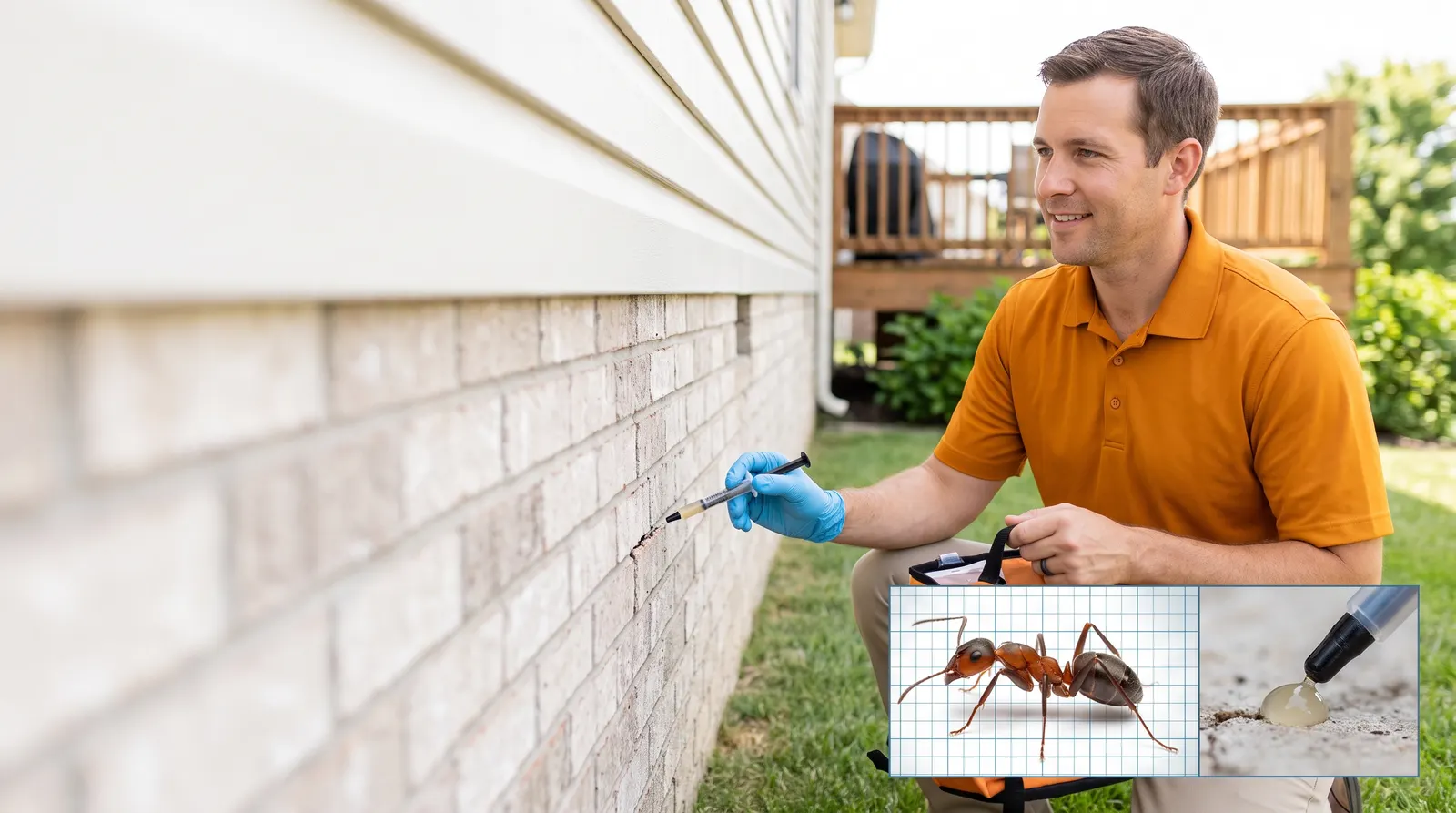
Pest control service in Bowling Green is a professional extermination and structural exclusion process that eliminates active insect or rodent infestations from residential and commercial properties throughout Warren County.
Every service reflects the same meticulous attention to detail, whether it's a single job or a larger pest control service project across Bowling Green.
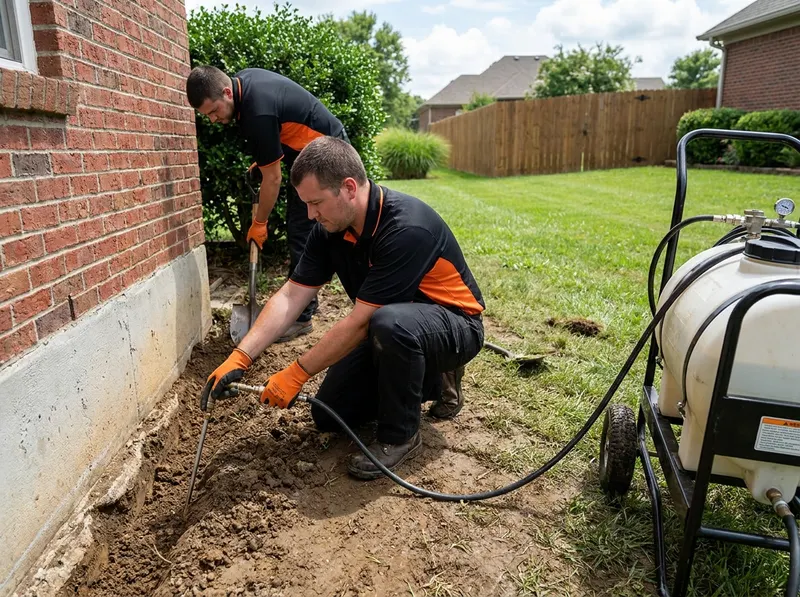
Subterranean termites cause extensive structural damage by hollowing out sill plates, floor joists, and wall studs in residential foundations throughout Warren County. Treatment protocols employ non-repellent liquid termiticides trenched around foundation footings at four gallons per ten linear feet, combined with targeted crawlspace drilling to intercept subterranean workers before wood fiber consumption occurs. Soil injections create a continuous chemical zone that foraging termites cannot detect, leading to lethal transfer throughout the subterranean colony and queen neutralization within sixty to ninety days. Technicians also install discreet sub-surface monitoring stations along vulnerable soil lines to verify colony collapse.
Get a quote →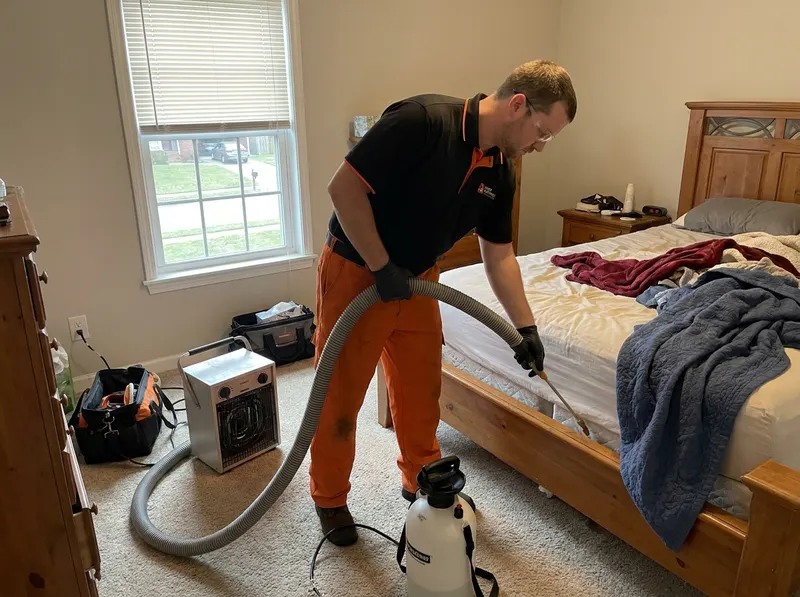
Bed bug infestations disrupt sleep and cause acute physical distress through nocturnal feeding cycles inside mattresses, upholstered furniture, and wall baseboards. Remediation utilizes high-output electric thermal heating systems that raise ambient indoor room temperatures between 120 and 135 degrees Fahrenheit to denature bed bug proteins across all life stages, including microscopic eggs. Technicians combine heat treatments with targeted synthetic pyrethroid and insect growth regulator (IGR) applications inside electrical switch plates, crown molding, and baseboard crevices. This dual-action protocol eliminates active biting populations within eight hours while leaving a durable residual barrier that prevents recurring nymph emergence.
Get a quote →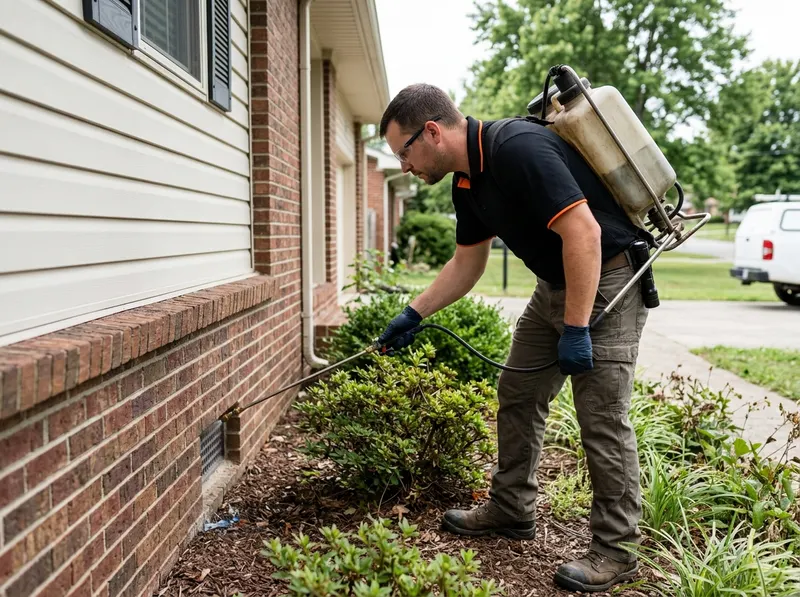
Brown recluse and black widow spiders frequent dark, low-disturbance storage spaces, unfinished basements, crawlspaces, and drop ceilings across south-central Kentucky. Specialized microencapsulated exterior residual sprays, interior crawlspace dustings, and targeted mechanical sticky monitors neutralize venomous populations and eliminate secondary insect food sources that draw arachnids indoors. Technicians deliver electrostatically charged silica dust into wall voids, attic insulation boundaries, and sill plate ledges where spiders rest during daylight hours. Exterior power dusting underneath vinyl siding weep holes and brick weep vents prevents venomous spiders from migrating into finished living areas.
Get a quote →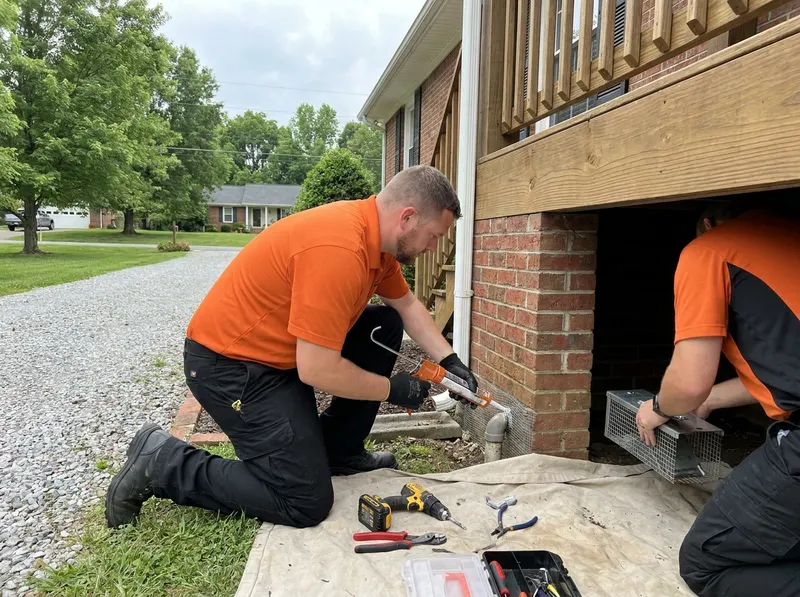
Norway rats and house mice contaminate food pantries, gnaw electrical wiring jackets, and soil fiberglass insulation inside attic and crawlspace cavities. Technicians deploy tamper-resistant exterior bait stations, interior mechanical snap traps along known baseboard runways, and hardware-cloth copper mesh exclusion to seal utility entry points larger than a quarter inch. Inspection protocols pinpoint chewed air conditioning chase lines, damaged crawlspace louver vents, and roofline gap entries. Trapping continues until zero interior feeding activity is recorded, followed by complete sanitation and enzyme deodorization of contaminated insulation substrates.
Get a quote →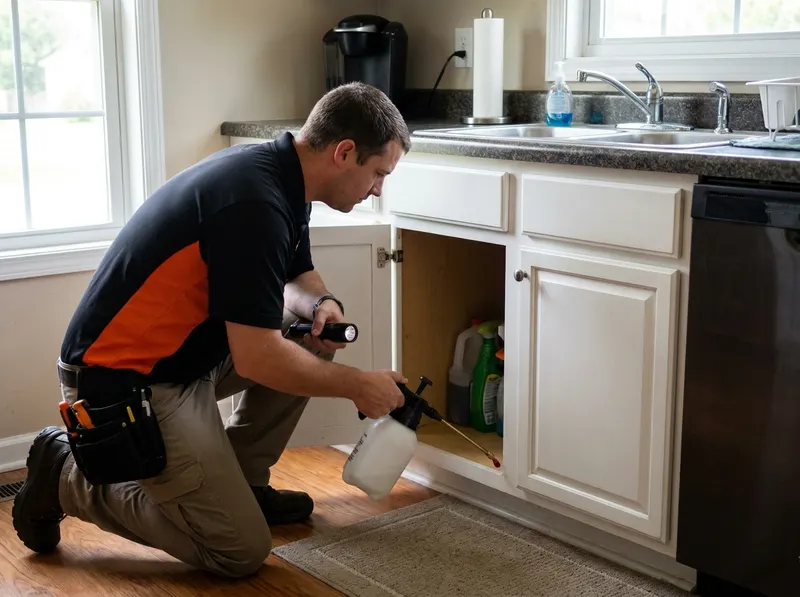
German, American, and Oriental cockroaches produce airborne allergens, trigger childhood asthma, and carry pathogenic bacteria across kitchen counters, pantries, and food prep surfaces. Clearance requires professional-grade gel baits containing hydramethylnon or indoxacarb placed in micro-dots within plumbing voids, cabinet hinge joints, and appliance motor housings, supplemented by precision insect growth regulators to halt nymphal development. Technicians also utilize flushing aerosols to force roaches out of deep cabinetry voids and track structural populations using pheromone adhesive monitors. This systematic process collapses heavy infestations within two to three treatment cycles.
Get a quote →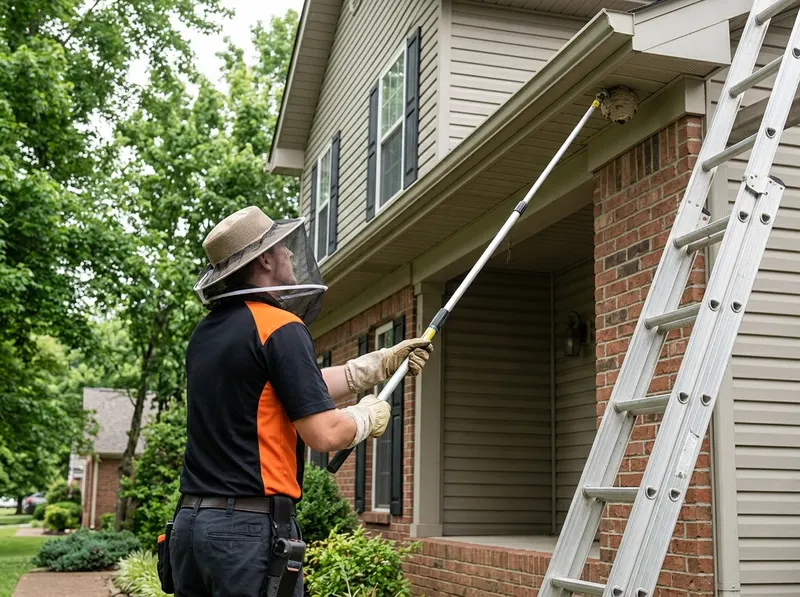
Paper wasps, baldfaced hornets, and yellow jackets build aggressive aerial and subterranean nests near roof soffits, decks, porch overhangs, and outdoor play equipment. Technicians deliver pressurized aerosol knockdowns and directional residual dusting directly into hive entrances to neutralize protective stinging threats without driving agitated colonies inside the dwelling. Subterranean yellow jacket burrows in landscape beds receive targeted liquid soil flushes that penetrate nesting chambers instantly. Once colonies are neutralized, technicians physically scrape away paper nest structures and apply repellent residual barriers to deter future queen colonization on high-eave structural corners.
Get a quote →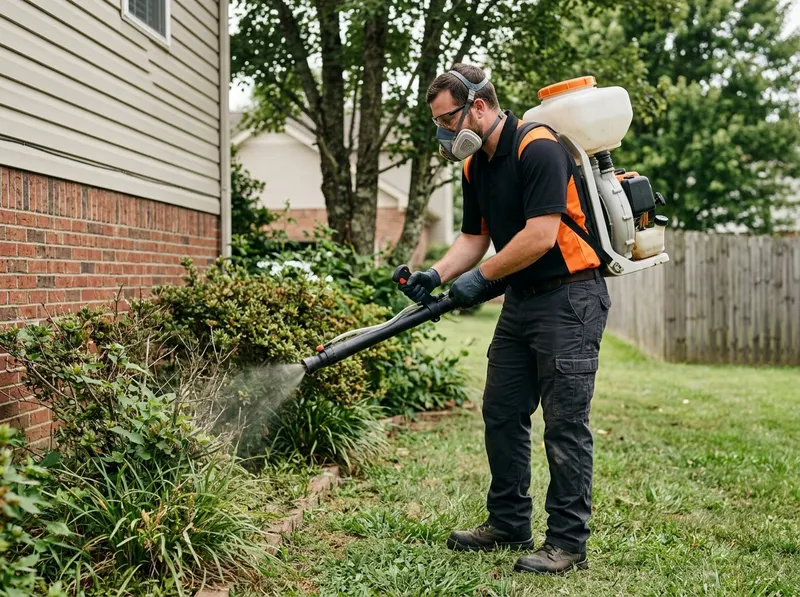
Parasitic fleas and ticks threaten domestic pets and introduce vector-borne pathogens, including Lyme disease and tapeworms, into carpet fibers and shaded turf areas. Treatments combine outdoor perimeter boundary mists using microencapsulated adulticides with indoor surface applications that disrupt larval growth stages in carpet underlayment, floorboard gaps, and pet bedding areas. Liquid applications pair adult knockdowns with juvenile hormone mimics that prevent flea pupae from hatching into reproductive adults. Shaded outdoor dog runs, low shrub beds, and moisture-rich ground cover receive high-volume backpack mist applications to eliminate questing deer ticks and lone star ticks.
Get a quote →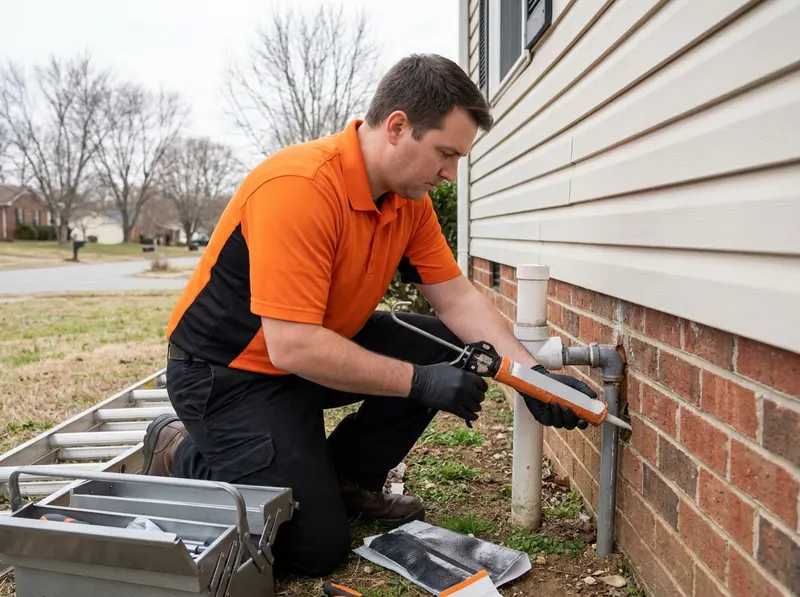
Brown marmorated stink bugs, boxelder bugs, and Asian lady beetles congregate on sun-warmed siding in late summer before penetrating window frames, soffit vents, and attic eaves. Exterior preventative power mists applied in late August and September create a durable exterior contact barrier that stops structural infiltration before cold weather sets in. Technicians seal gaps around window caulking, outdoor water spigots, and attic gable vents using industrial siliconized sealants and copper mesh backing. Exterior siding washes using microencapsulated pyrethroids intercept overwintering clusters on west- and south-facing brick walls, preventing thousands of insects from harboring in drywall cavities during winter months.
Get a quote →You get a firm, itemized quote for your pest control service before any work begins, no surprises, no pressure.
Careful prep, tidy work, and a full cleanup when we are done. We treat your home and belongings like our own.
The same trusted, background-checked team from the first call to the final check.
Selecting the appropriate treatment protocol depends on the target pest species, the depth of structural infestation, and property construction type. If you are dealing with crawling perimeter invaders like field ants, smokybrown cockroaches, or wolf spiders, choose an exterior liquid barrier combined with foundation crack sealing; this keeps applications outside the home while providing four to twelve weeks of residual perimeter protection. If you uncover subterranean termite mud tubes or swarmers near crawlspaces, choose a targeted non-repellent termiticide perimeter trenching application; termiticides transfer through the entire underground colony to halt wood destruction at the source.
If you suspect bed bugs or severe German cockroach populations inside living quarters, choose targeted dual-action insect growth regulator (IGR) aerosol and non-repellent mist applications; this breaks the biological reproductive egg cycle inside wall voids and furniture seams. If rodents have breached attic spaces, choose mechanical snap trapping coupled with exterior structural exclusion sealing; rodenticide bait alone without physical exclusion leaves entry holes open and risks secondary odors from deceased animals inside drywall voids. If seasonal cluster flies, boxelder bugs, or brown marmorated stink bugs congregate on sunlit exterior siding, choose a targeted exterior residual barrier mist applied in late summer; interior indoor sprays after pests have penetrated wall voids yield poor control.
The trade-off is time, investment, and site preparation: exterior perimeter applications require zero interior disruption, whereas structural termite trenching, rodent attic cleanouts, and interior bed bug heat or misting treatments require furniture staging, targeted crawlspace access clearances, and several hours of vacate time for product curing.
Every project gets a firm, written price after a free on-site visit. Ranges below for orientation.
Tell us about your pest control service job and we'll send a clear, written quote, usually the same day. Or just call and talk to a real Bowling Green pro.
(270) 721-5916
Bowling Green sits directly over complex Mississippian limestone karst geology, characterized by extensive sinkholes, subterranean drainage fissures, and the expansive Barren River basin. This porous subterranean network creates elevated underground moisture levels and natural limestone cavities where subterranean termites and brown recluse spiders nest in massive numbers before moving upward into residential foundations near Lost River Cave and Western Kentucky University. Properties throughout established subdivisions like Indian Hills, Fairview, and Briarwood frequently contend with settling foundations that open hairline masonry cracks, providing direct transit points for subterranean termite shelter tubes and burrowing field rodents. Moving outward along Scottsville Road, Lovers Lane, and Nashville Road toward the outskirts of Warren County, dense agricultural farmland and expanding commercial corridors produce intense seasonal rodent migrations immediately following autumn corn and soybean harvests. As temperatures plummet, house mice and Norway rats seek shelter within the heated wall voids of neighborhoods such as Hartland, Olde Stone, and Covington Grove. Furthermore, the combination of summer river basin humidity from the Barren River and shaded, wooded topography around Beech Bend Park and Fountain Square Park encourages aggressive mosquito proliferation, carpenter ant foraging, and heavy brown marmorated stink bug clustering against residential vinyl siding each autumn. Technicians account for these specific soil moisture conditions, foundation variations, and agricultural borders when designing localized pest control service protocols across south-central Kentucky.
Free estimates for Bowling Green & the surrounding area.
 Zorvilo Pest Control